Tag: Modrić

  • Luka Modrić’s Last World Cup Match Ends in Heartbreak

    Luka Modrić’s Last World Cup Match Ends in Heartbreak

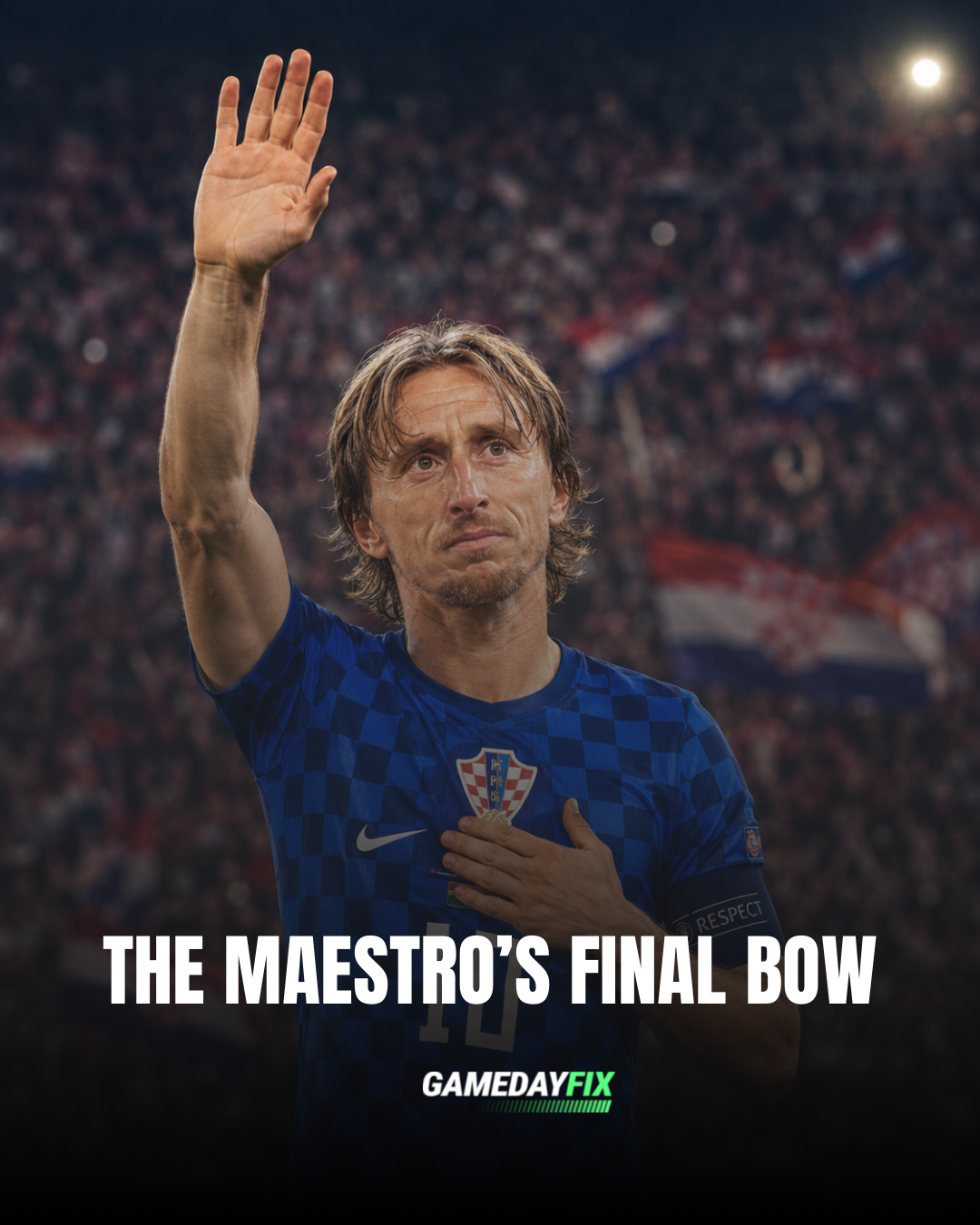
    Every great football story eventually reaches its final chapter. For Luka Modrić, Croatia’s beloved Maestro, that chapter appears to have closed in the most painful way possible.

    Croatia’s 2-1 loss to Portugal in the FIFA World Cup Round of 32 was more than just another knockout defeat. It was a wild, emotional, back-and-forth match that carried the weight of history. For Croatia, it ended their tournament. For Modrić, it likely marked his final appearance on the World Cup stage.

    A Wild Match With a Cruel Ending

    Croatia fought with the same pride and stubborn belief that has defined this golden generation for years. They pushed Portugal, absorbed pressure, created moments, and looked capable of dragging the match into extra time.

    Portugal, however, found the moments that mattered most. After a tense battle filled with drama, momentum swings, and late nerves, Croatia was left chasing the game. The 2-1 scoreline only tells part of the story. This was a match that felt bigger than the result because everyone watching knew what it could mean for Modrić.

    When the final whistle blew, it was not just the end of Croatia’s World Cup run. It felt like the end of an era.

    The Maestro’s World Cup Legacy

    Luka Modrić’s last World Cup match will hurt, but it cannot erase what he built with Croatia.

    He led his nation to the 2018 World Cup Final, winning the Golden Ball as the tournament’s best player. Four years later, he helped Croatia finish third at the 2022 World Cup, once again proving that Croatia could stand with football’s biggest nations.

    For a country of just over four million people, Croatia’s rise was never supposed to look like this. Modrić made it possible. His vision, calmness, passing range, leadership, and football intelligence gave Croatia an identity. He was never the loudest player on the pitch, but he was almost always the most important.

    A Career Full of Historic Highs

    Modrić’s greatness goes far beyond international football.

    At Real Madrid, The Maestro became one of the most decorated midfielders of all time. He won six UEFA Champions League titles, multiple La Liga trophies, and played a major role in one of the greatest club dynasties football has ever seen.

    His highest individual moment came in 2018, when he won the Ballon d’Or, breaking the long dominance of Lionel Messi and Cristiano Ronaldo. That award confirmed what football people already knew: Modrić was not just world class, he was generational.

    A Legend Leaves the Stage

    Not every legend gets a perfect ending. Modrić deserved one, but football rarely works that way.

    Still, his legacy is untouchable. He gave Croatia belief, pride, and unforgettable memories. He turned a small nation into a World Cup powerhouse and carried himself with elegance until the very end.

    The Maestro may have played his final World Cup match, but his music will be remembered forever.
  • The Last Dance

    The Last Dance

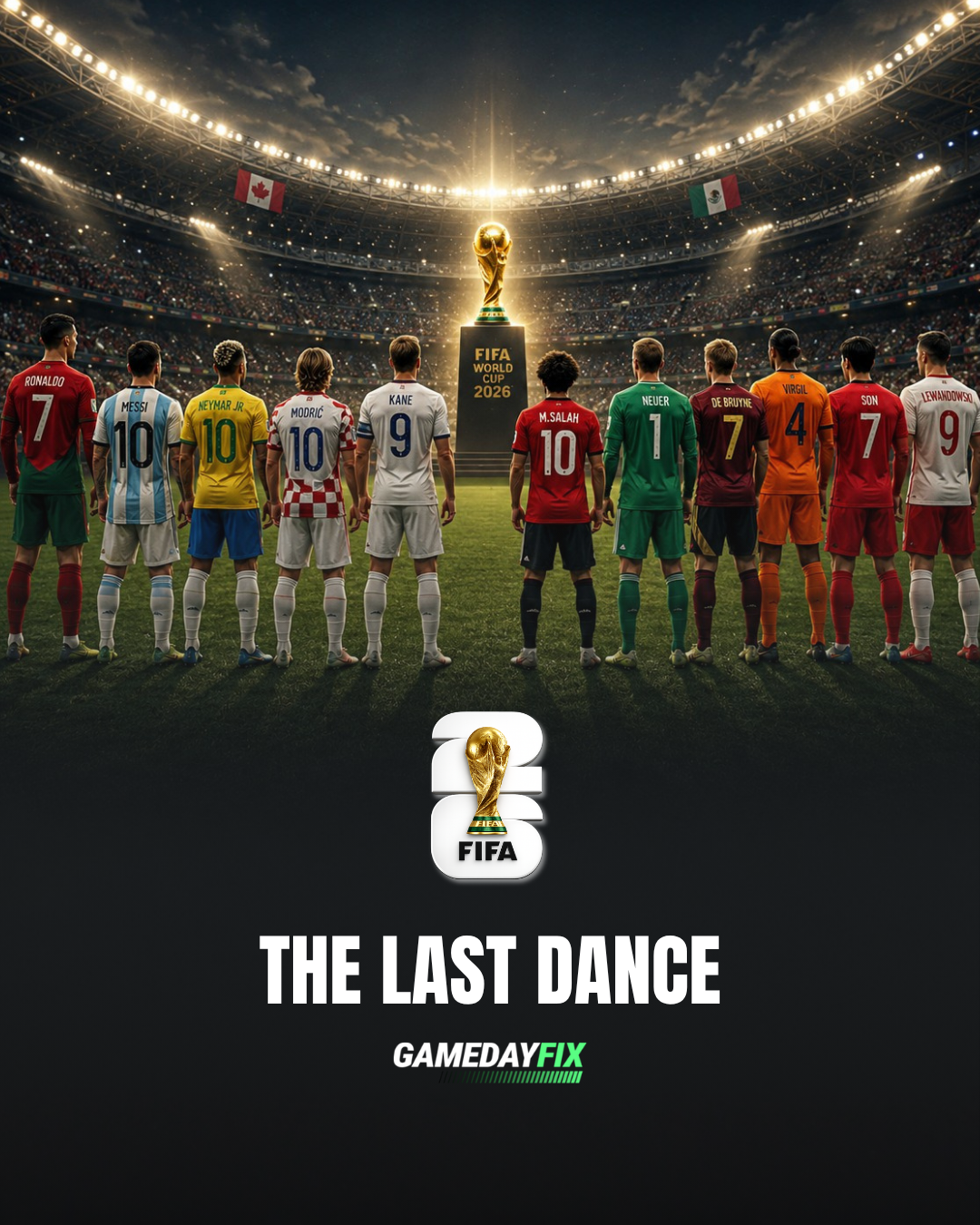
    Every World Cup creates new heroes, but it also reminds us that even the greatest careers eventually reach their final chapter. As the 2026 FIFA World Cup unfolds, several legends of the modern game could be making their final appearance on football’s biggest stage. Their legacies are already secure, but one last opportunity to represent their countries adds even more meaning to this tournament.

    Cristiano Ronaldo (Portugal)

    Few athletes in any sport have matched Cristiano Ronaldo’s longevity and success. Portugal’s captain has scored more than 138 international goals in over 220 appearances, making him the highest-scoring men’s international player in football history. At club level, Ronaldo has surpassed 900 career goals while starring for Sporting CP, Manchester United, Real Madrid, Juventus, and Al Nassr. His drive, leadership, and winning mentality have defined an era.

    Lionel Messi (Argentina)

    Lionel Messi’s story reached its peak when he lifted the World Cup in 2022, but his influence on football remains unmatched. The Argentine icon has recorded over 110 international goals and more than 190 appearances for his country. Across Barcelona, Paris Saint-Germain, and Inter Miami, Messi has scored over 850 career goals while collecting countless individual and team honors. His vision and brilliance have captivated fans for nearly two decades.

    Neymar Jr. (Brazil)

    Brazil’s all-time leading scorer has carried the expectations of a football nation throughout his career. Neymar has scored nearly 80 goals for Brazil while producing countless memorable moments on the international stage. His club career has included successful spells with Santos, Barcelona, Paris Saint-Germain, and Al Hilal, contributing well over 450 goals and assists combined.

    Luka Modrić (Croatia)

    The heart and soul of Croatia’s golden generation, Luka Modrić has earned more than 180 international caps and led his nation to a World Cup final and a third-place finish. At club level, he became a Real Madrid legend, winning six Champions League titles while redefining excellence in midfield.

    Harry Kane (England)

    England’s all-time leading scorer has been one of the most reliable goal scorers of his generation. Kane has surpassed 70 international goals while captaining England through multiple deep tournament runs. His club career with Tottenham Hotspur and Bayern Munich has produced more than 400 goals, solidifying his reputation as one of football’s elite finishers.

    Mohamed Salah (Egypt)

    Mohamed Salah transformed Egyptian football and inspired a new generation across Africa and the Middle East. With more than 50 international goals and over 250 club goals, Salah has become one of Liverpool’s greatest players while cementing his place among Africa’s football legends.

    Manuel Neuer (Germany)

    Manuel Neuer revolutionized the goalkeeper position. The 2014 World Cup winner has earned well over 120 caps for Germany and remains one of the most influential goalkeepers in football history. His trophy collection with Bayern Munich includes multiple Bundesliga titles and Champions League triumphs.

    Kevin De Bruyne (Belgium)

    The architect of Belgium’s golden generation, De Bruyne has delivered world-class performances for both club and country. With more than 100 international appearances and hundreds of goal contributions for Manchester City, he is widely regarded as one of the finest midfielders of his era.

    Virgil van Dijk (Netherlands)

    Virgil van Dijk has been the foundation of both the Dutch national team and Liverpool’s success. With over 80 international caps and major trophies at club level, he established himself as one of the most dominant defenders of the modern game through his leadership, positioning, and composure.

    Son Heung-min (South Korea)

    Son Heung-min became one of Asia’s greatest footballers through his consistency and professionalism. With more than 50 goals for South Korea and over 170 club goals for Tottenham Hotspur, he has inspired millions while carrying the hopes of his nation on football’s biggest stages.

    Robert Lewandowski (Poland)

    Although Poland did not qualify for the 2026 World Cup, Robert Lewandowski deserves a place among football’s modern greats. Poland’s all-time leading scorer has surpassed 80 international goals while building a legendary club career with Borussia Dortmund, Bayern Munich, and Barcelona. His remarkable goal-scoring record and professionalism have earned worldwide respect.

    A Final Chapter for Football Royalty

    Whether they leave the tournament with medals or memories, these players have already shaped football history. The Last Dance is not simply about one final World Cup. It is a celebration of careers that inspired generations, broke records, and brought unforgettable moments to fans around the globe. As the curtain slowly falls on this extraordinary generation, the football world can only appreciate the legacy they leave behind.