Tag: NHL Playoffs 2026

  • Colorado’s Cup Dream Is Fading as Vegas Moves One Win Away

    Colorado’s Cup Dream Is Fading as Vegas Moves One Win Away

    The Colorado Avalanche are staring directly at elimination, down 3-0 to the Vegas Golden Knights in the Western Conference Final, and right now this series feels less competitive with every passing period. Vegas has dictated the pace, controlled the emotional swings, and most importantly, responded every single time Colorado has shown signs of life.

    Historically, the odds are heavily against the Avalanche. NHL teams that take a 3-0 lead in a playoff series have gone on to win the series more than 98 percent of the time. Even more telling, teams that win the opening two games of a Conference Final advance to the Stanley Cup Final roughly 85 percent of the time. The numbers are screaming one thing: Colorado is running out of answers.

    Colorado

    This version of the Avalanche barely resembles the aggressive, confident team fans watched throughout the regular season. Cale Makar missing the first two games completely shifted the complexion of the series, and even when he returned for Game 3, he clearly was not close to 100 percent. His mobility looked limited, his explosiveness was missing, and Vegas immediately attacked him with pressure whenever he touched the puck.

    But now the concern is even bigger.

    Nathan MacKinnon getting hurt in Game 3 is the kind of moment that can completely change a series. Colorado was already chasing the game, already missing its usual rhythm, and already dealing with a compromised Makar. If MacKinnon is not right, or even slightly limited, this becomes a mountain that looks almost impossible to climb. He is the engine of the Avalanche. Everything runs through his speed, power, puck possession, and ability to tilt the ice. Without him at full strength, Colorado loses the one player who can drag them back into a series almost by himself.

    Martin Necas has struggled to consistently generate offense against Vegas’ defensive structure, and Colorado’s transition game has slowed down dramatically. Their defense has looked vulnerable once the Golden Knights establish possession deep in the offensive zone. This team normally overwhelms opponents with speed and confidence. Right now, they look hesitant.

    One of the most telling moments of the series came when Jared Bednar used a timeout immediately after Vegas tied Game 3. That is not characteristic Avalanche hockey. Bednar was trying to calm a group that suddenly looked nervous and emotionally shaken. Normally Colorado feeds off momentum swings. In this series, every Vegas goal seems to create panic.

    There is also another trend hanging over the Avalanche. Presidents’ Trophy winners rarely finish the job. Since 1986, only eight Presidents’ Trophy-winning teams have gone on to capture the Stanley Cup in the same season. The regular season grind often leaves those teams mentally and physically exhausted by the later playoff rounds, and Colorado is beginning to look like another example of that reality.

    Vegas

    Everything Vegas is doing right now looks organized, disciplined, and championship-tested. John Tortorella deserves enormous credit for the identity this team has built during this playoff run. Vegas is pressuring Colorado all over the ice, taking away time through the neutral zone, and forcing the Avalanche into uncomfortable mistakes.

    Then there is Carter Hart.

    Hart has completely changed this series with timely saves at massive moments. Even during Colorado’s best stretches, Hart has found ways to slam the door shut and immediately swing momentum back toward Vegas. Elite playoff goaltending changes everything, and right now Hart looks completely locked in.

    Up front, Jack Eichel continues to drive the attack with confidence and control, while Mitch Marner has brought elite playmaking and composure in pressure situations. Pavel Dorofeyev has quietly become one of Vegas’ biggest X-factors with his ability to create offense off the rush and finish scoring chances at critical moments. Add Mark Stone’s leadership and defensive dominance into the equation, and suddenly Vegas looks like the more complete, deeper, and mentally tougher hockey team.

    Can Colorado come back? Technically yes. But with Makar not at full strength and MacKinnon now hurt, this is not looking good for the Avalanche. Unless they rediscover their identity immediately and somehow get their stars healthy enough to take over, Vegas feels one win away from punching another ticket to the Stanley Cup Final.
  • Canadiens vs Lightning Game 7: Youth vs Experience who moves on?

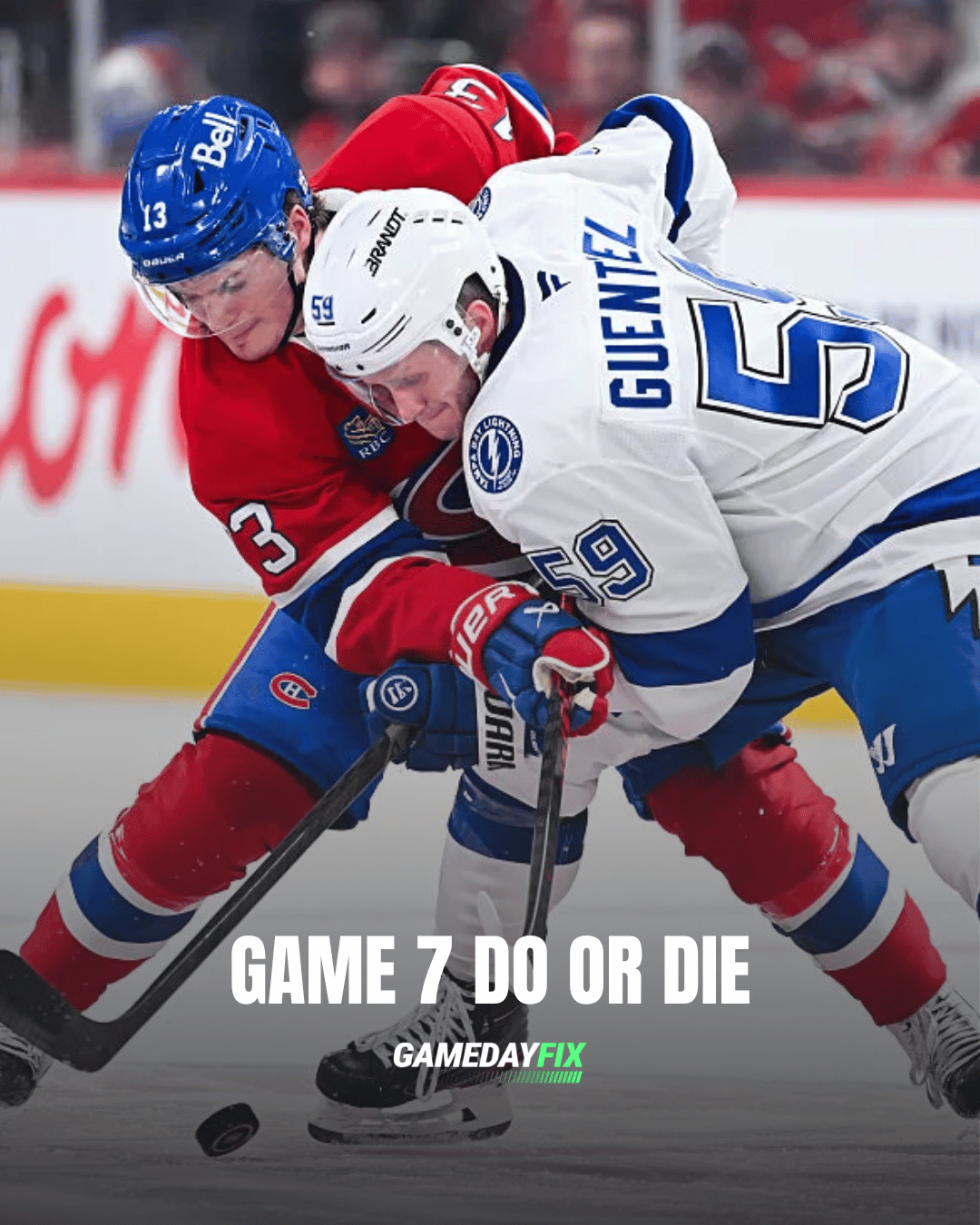
    Canadiens vs Lightning Game 7: Youth vs Experience who moves on?

    Habs Young Core Faces Tampa’s Veteran Edge in Winner-Take-All Showdown

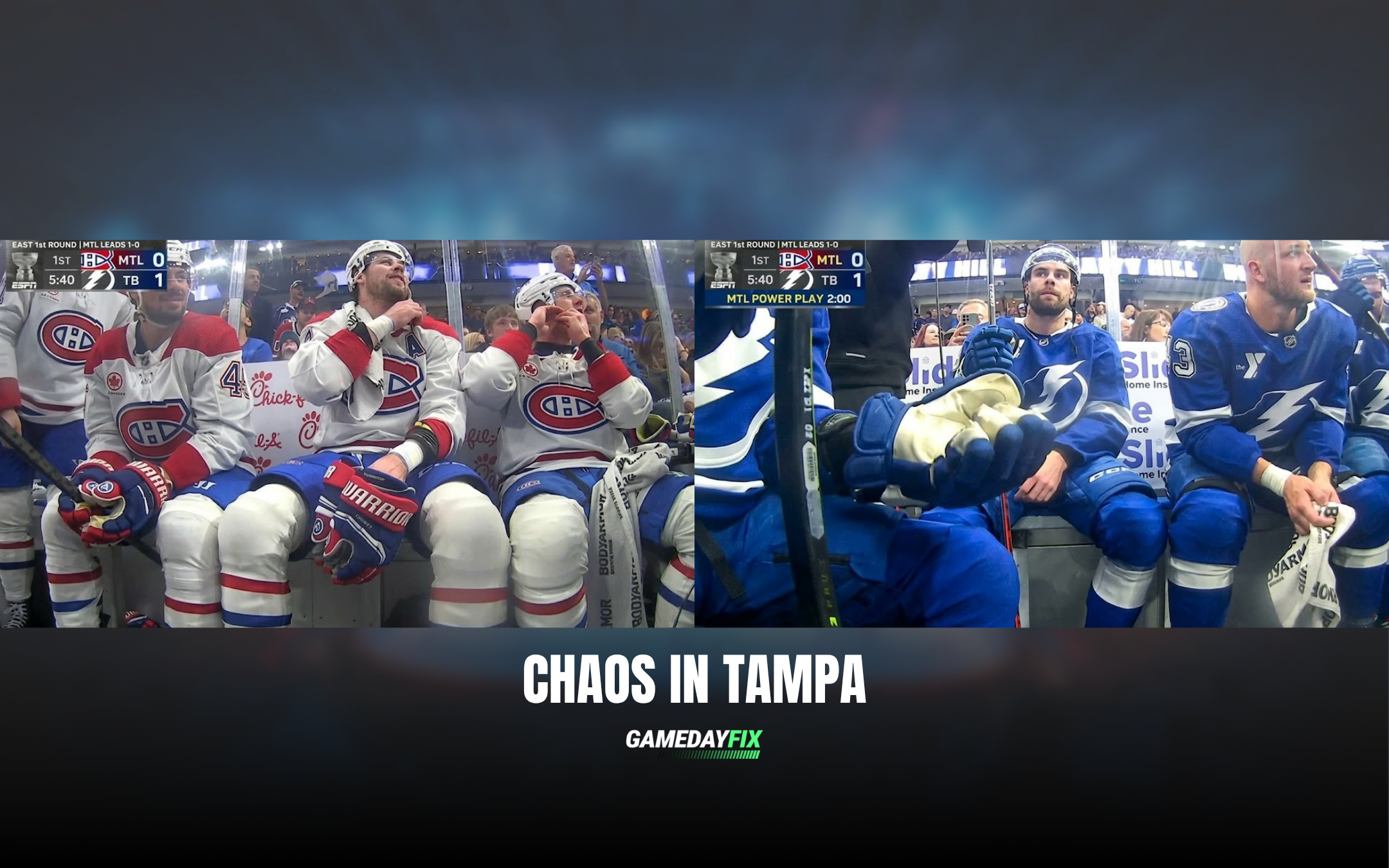
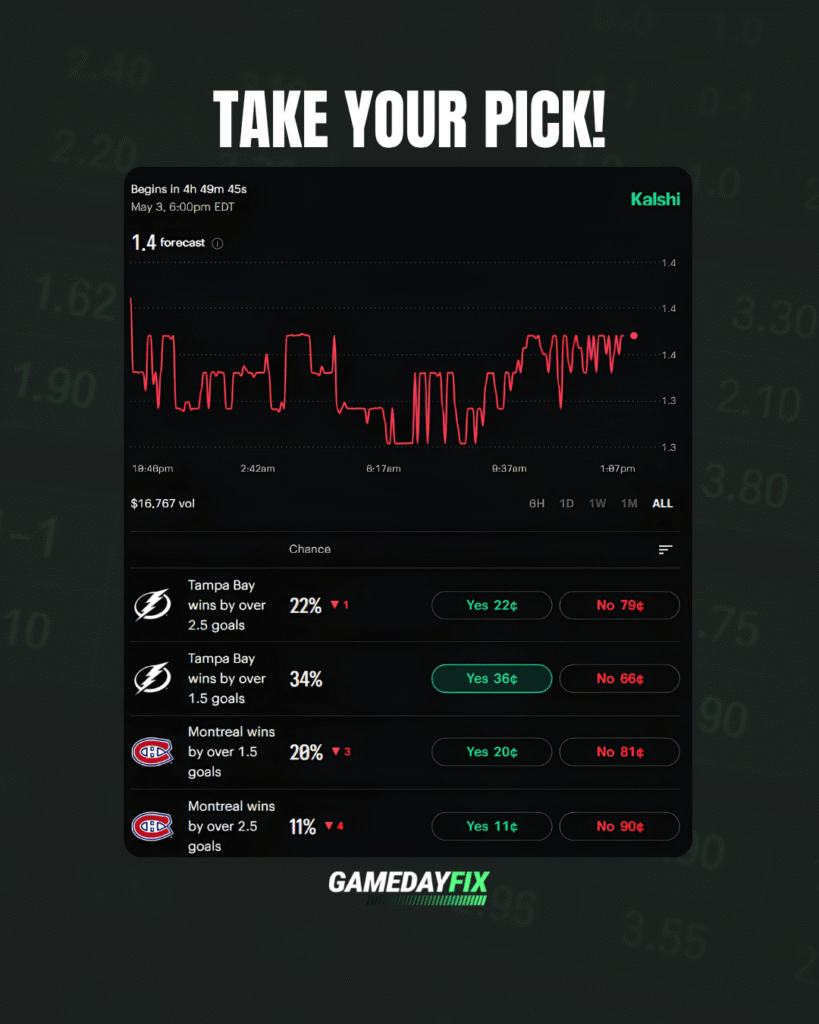
    There are tight playoff series, and then there is Montreal against Tampa Bay. Six games in, nothing has separated the Canadiens and Lightning. Every game has been decided by one goal, four have gone to overtime, and the series sits dead even at 14 goals apiece. That is not luck. That is two teams dragging each other into the same fight every night.

    Now it comes down to Game 7 in Tampa.

    For Montreal, the question is whether their young legs can keep testing an older, proven Lightning roster. Nick Suzuki, Cole Caufield, Juraj Slafkovsky, Ivan Demidov and Lane Hutson have given the Canadiens speed, nerve and belief. This is still a young core, but it does not look overwhelmed. Montreal has been dangerous off the rush all series, and that is where the Habs can hurt the Lightning. If they turn this into a skating game, Tampa will have problems.

    For Tampa Bay, the answer is familiar: experience, structure and Andrei Vasilevskiy. The Lightning know how to manage playoff pressure, how to survive momentum swings, and how to turn one broken play into a season-changing goal. Nikita Kucherov, Brayden Point, Jake Guentzel and Brandon Hagel do not need many looks to change a series.

    The goaltending matchup may decide everything. Jakub Dobes has not looked like a rookie scared of the moment. He has battled, tracked pucks through traffic, and given Montreal a chance every night. But across the rink stands Vasilevskiy, one of the great elimination-game goalies of his generation. If Tampa gets the version that sees everything early, Montreal will have to earn every inch.

    Montreal’s x-factor is Lane Hutson. His skating, puck movement and power-play touch can tilt the ice, especially if the Canadiens need clean exits under pressure. Tampa’s x-factor is Brandon Hagel. He has been relentless, productive and exactly the kind of playoff player who can swing a Game 7 without needing the spotlight.

    Best line for Montreal: Slafkovsky, Suzuki and Caufield. Best line for Tampa: Hagel, Cirelli and Kucherov. Best player for Montreal: Hutson. Best player for Tampa: Hagel, with Vasilevskiy always capable of stealing the night.

    No team has a clean edge here. Game 7 will come down to one mistake, one save, one rush, one finish. Tampa has the rings. Montreal has the legs. Now we see which one travels to Round 2.

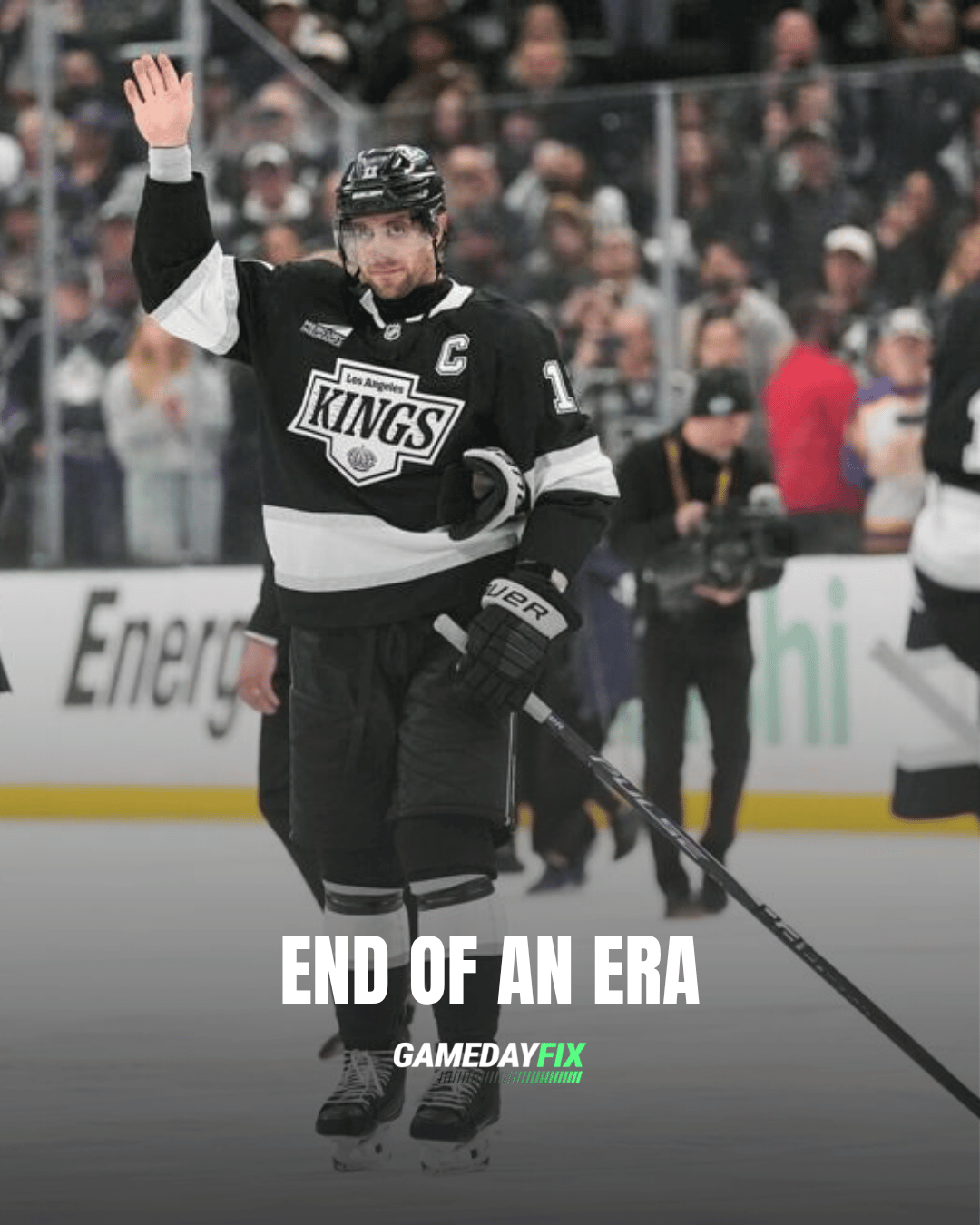
  • End of an Era in Los Angeles: Kings Swept by Avalanche as Anze Kopitar Plays Final Game at Home

    End of an Era in Los Angeles: Kings Swept by Avalanche as Anze Kopitar Plays Final Game at Home

    A First-Round Exit Marks More Than Just Elimination for the Kings

    The Los Angeles Kings’ 2026 playoff run didn’t just end quietly. It ended decisively.

    Swept in four straight games by the Colorado Avalanche, the Kings never found their footing in a series that quickly slipped out of reach. Colorado’s speed, structure, and offensive depth proved overwhelming from the opening puck drop, leaving Los Angeles chasing the game for most of the series.

    But the final buzzer at Crypto.com Arena carried a weight far beyond elimination.

    It marked what is expected to be the final home game of Anze Kopitar’s legendary career.

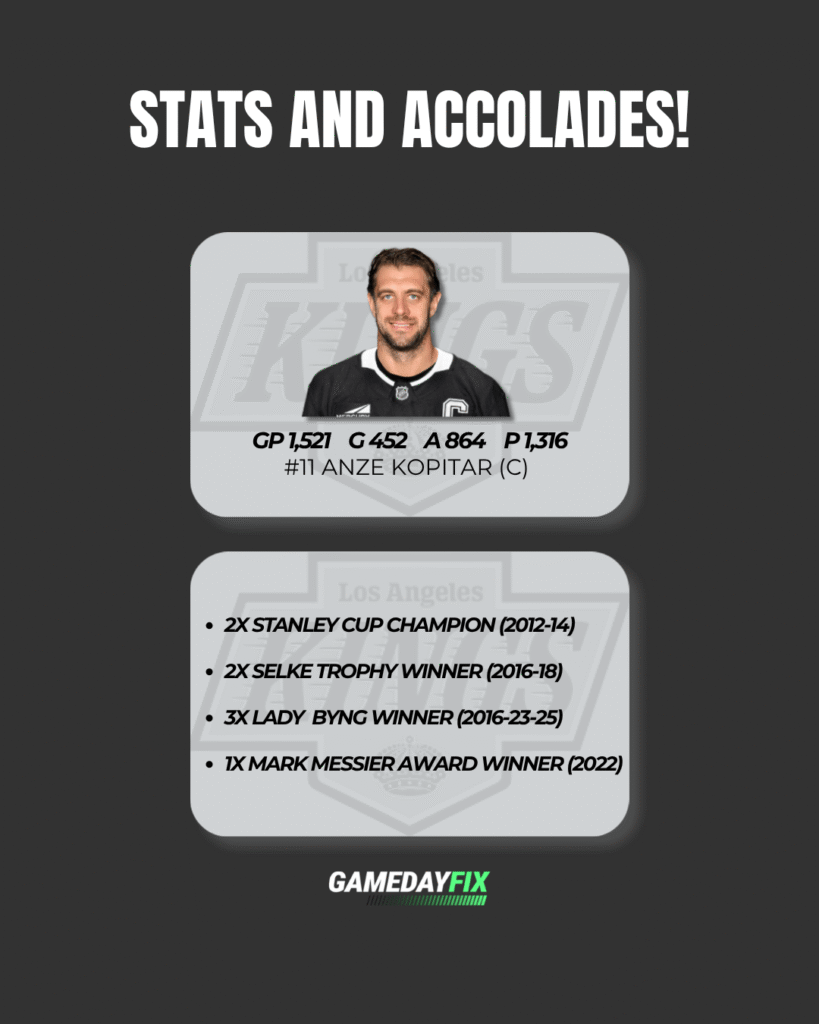
    For nearly two decades, Kopitar has been the identity of Kings hockey. A two-time Stanley Cup champion, Selke Trophy winner, and one of the most complete two-way centers of his generation, he defined consistency, leadership, and quiet dominance. From the Kings’ championship runs in 2012 and 2014 to years of transition and rebuilding, Kopitar remained the constant.

    And now, that chapter appears to be closing.

    As the clock wound down in Game 4, the moment felt different. The crowd knew it. The bench knew it. Every shift Kopitar took carried a sense of finality, a recognition that this was more than just another playoff loss.

    It was a goodbye.

    The Avalanche, meanwhile, looked every bit like a contender. Their ability to control pace, capitalize on mistakes, and dictate play showcased why they are among the favorites moving forward. Against a veteran Kings squad, they executed with precision and never allowed momentum to swing.

    For Los Angeles, questions now shift toward the future. A roster built around experience and structure will need to evolve, especially with the likely departure of the player who anchored everything.

    Replacing Kopitar isn’t just about production. It’s about replacing leadership, identity, and a presence that can’t be measured on the stat sheet.

    The Kings were swept off the ice.

    But what hurts more is what they’re leaving behind.

    An era is over in Los Angeles.

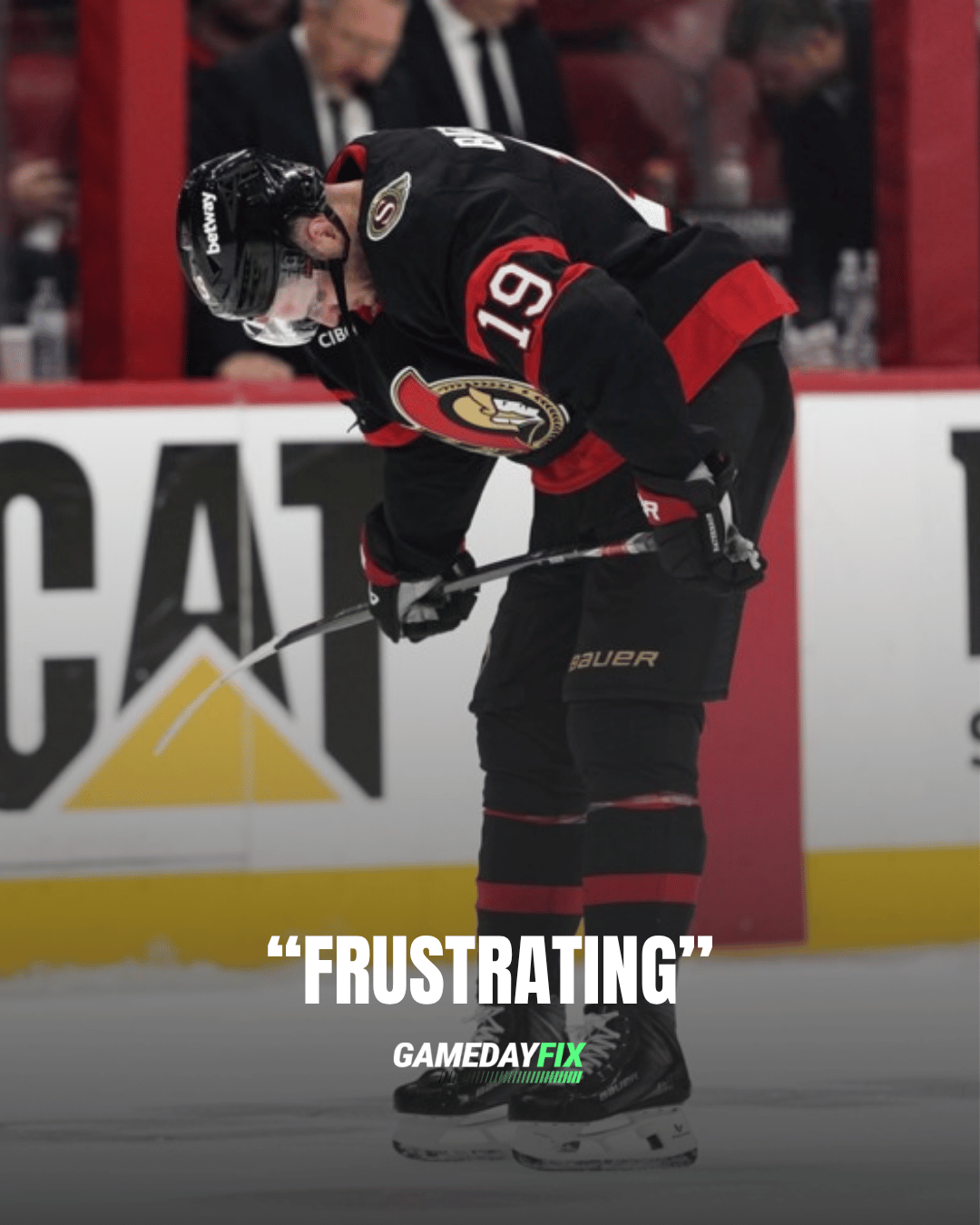
  • Hurricanes Push Senators to the Brink with Dominant 3-0 Series Lead

    Hurricanes Push Senators to the Brink with Dominant 3-0 Series Lead

    Carolina’s Structure and Experience Overwhelming Ottawa’s Playoff Push

    The Carolina Hurricanes are doing exactly what contenders are built to do this time of year. Through three games, they’ve taken full control of their first-round series against the Ottawa Senators, jumping out to a commanding 3-0 lead and pushing Ottawa to the edge of elimination.

    This isn’t just a lead. It’s control.

    Carolina’s identity is coming through in every detail. The forecheck is relentless, the defensive structure is tight, and the pace of the game is being dictated on their terms. Ottawa isn’t being given time or space, and over the course of a game, that pressure adds up.

    Breakouts are disrupted early. The neutral zone is clogged. And once Carolina establishes zone time, they grind teams down shift after shift. It’s playoff hockey, executed at a high level.

    For Ottawa, this series has highlighted the difference between a team on the rise and one that already knows how to win this time of year.

    The Senators have had their moments. Their young core has shown flashes, and there have been stretches where they’ve generated real pressure. But they haven’t been able to sustain it. The margin for error is thin, and Carolina has taken advantage every time that window opens.

    This is where your leaders have to step in. Brady Tkachuk is the heartbeat of this team, and these are the moments that define captains. The games have been tight, decided by a single goal, and Ottawa has been within reach. But in the playoffs, being close isn’t enough. Your top players have to find a way to swing those moments.

    At the same time, it can’t be just one line carrying the load. Depth becomes everything in a series like this. When the top units are matched up and space disappears, it’s often the secondary players who break it open. A timely finish, a hard shift, a bounce that goes your way, that’s the difference.

    Ottawa isn’t far off. But right now, they’re losing the moments that matter.

    Goaltending has also played its part. Carolina has been composed and reliable in net, while Ottawa hasn’t found that same level of timely saves when games are on the line. In a series this tight, that gap becomes magnified.

    Now facing elimination, the Senators are staring at their biggest test yet. Avoiding the sweep will take more than effort. It will require execution, discipline, and a level of urgency that hasn’t consistently been there through three games.

    For Carolina, the approach doesn’t change. Stay structured. Stay aggressive. Finish it.

    Closing out a series is never simple, especially in a hostile building, but the Hurricanes haven’t shown any signs of slowing down. If anything, they look like a team ready to make a deeper statement.

    Game 4 now shifts the stakes.

    For Ottawa, it’s about survival.
    For Carolina, it’s about sending a message to the rest of the league.

  • Old School Hockey Returns: Canadiens and Lightning Deliver Playoff Classic

    Old School Hockey Returns: Canadiens and Lightning Deliver Playoff Classic

    Physical, Relentless, and Even at 1–1 as Series Shifts to Montreal

    If anyone was wondering what playoff hockey is supposed to feel like, Tampa Bay and Montreal answered that question in Game 2.

    This series has quickly turned into a throwback. Heavy hits. Scrums after whistles. Every inch of ice contested. It’s the kind of hockey that feels closer to another era, and both teams are fully buying in.

    Montreal may have dropped Game 2, but the score doesn’t tell the full story. The Canadiens matched Tampa stride for stride. Defensively, they stayed structured, closing lanes and forcing the Lightning to work for every opportunity. Offensively, they generated chances with pace and pressure, refusing to sit back against one of the league’s most experienced playoff teams.

    What’s defined this series so far is the physical edge and discipline being tested every shift. Through two games, the penalty count has climbed quickly, with Game 2 alone featuring a high volume of calls that kept special teams heavily involved. Between both teams, the series has already seen over 20 penalties, with Game 2 accounting for a large portion of that total. It’s aggressive, emotional hockey, and neither side is backing down.

    Tampa Bay, with its championship pedigree, continues to show composure in key moments. They know how to manage chaos. But Montreal is proving they’re not just along for the ride. They’re initiating contact, finishing checks, and pushing the pace in a way that’s forcing Tampa to respond physically.

    Now, the series shifts to Montreal. And that changes everything.

    The Bell Centre isn’t just loud, it’s relentless. It’s a building that can swing momentum with one shift, one hit, one goal. Canadiens fans have been waiting for this moment, and with the series tied 1–1, Game 3 feels like a turning point.

    The question now is simple. Can Montreal feed off that energy and break through in front of their home crowd? Or will Tampa Bay silence the noise and remind everyone why they’ve been here before?

    Through two games, this has been the most entertaining series of the playoffs. And if this is just the beginning, it’s only going to get better.

  • Dallas Stars Under Pressure: Can They Respond in Game 2?

    Dallas Stars Under Pressure: Can They Respond in Game 2?

    After a 6–1 Collapse, Dallas Looks to Even the Series at Home

    The Dallas Stars couldn’t have asked for a worse start to their playoff run, and now the pressure is already on.

    A 6–1 loss to the Minnesota Wild in Game 1 wasn’t just a setback, it exposed cracks that can’t be ignored. Minnesota dictated the pace from the opening puck drop, overwhelming Dallas with speed, physicality, and relentless pressure. By the midway point, the game had already slipped out of reach.

    Now, with Game 2 set for April 20 at 21:30 ET, the focus shifts quickly. This isn’t just another game. It’s a response moment.

    For Dallas, the concerns go beyond the scoreboard. Defensive breakdowns were a constant issue, with the Wild finding open lanes and capitalizing on mistakes in transition. The structure that defined the Stars during the regular season simply wasn’t there.

    Goaltending also comes into question. Jake Oettinger is a cornerstone for this team, but his Game 1 performance left a lot to be desired. Whether it was defensive support or key saves that didn’t come through, Dallas needs a bounce-back performance from their number one. In the playoffs, your goalie doesn’t just need to be good, he needs to be a difference-maker.

    Offensively, the Stars need their core to take control.

    Mikko Rantanen, Jason Robertson, Matt Duchene, Wyatt Johnston, Thomas Harley, and Miro Heiskanen are the engines of this team. That group has to lead the response in Game 2. Whether it’s generating offense, controlling possession, or jumping into plays from the blue line, this is where Dallas finds its identity.

    Game 1 saw that entire group largely neutralized. That can’t happen again.

    Playoff hockey is about your best players being your best players, especially in moments like this. Dallas doesn’t need a complete overhaul, they need their stars to show up and set the tone early.

    But playoff series are defined by adjustments.

    The opportunity is still there. Dallas returns to the ice knowing a win evens the series and resets everything heading back on the road. Veteran leadership and overall roster talent suggest this team is more than capable of responding after a performance like Game 1.

    Still, the urgency is real.

    Falling behind 0–2, even at home, would shift momentum heavily in Minnesota’s favor and raise serious questions about Dallas’ ability to handle playoff intensity. On the other side, a strong response could flip the narrative entirely and reestablish the Stars as a legitimate threat in this matchup.

    Game 2 isn’t just about the result.

    It’s about identity.

    Can Oettinger bounce back when it matters most?
    Can Dallas’ stars take control and lead the charge?
    Can they match Minnesota’s intensity for a full 60 minutes?

    Or are early warning signs turning into a real problem?

    Tonight gives us the answer.